How to Pasteurize Straw for Mushrooms: Hot Water, Lime and Other Methods
How to pasteurize straw for growing mushrooms at home: hot water at 160–170 °F, hydrated lime bath, peroxide and cold fermentation, plus how wet the straw should be.
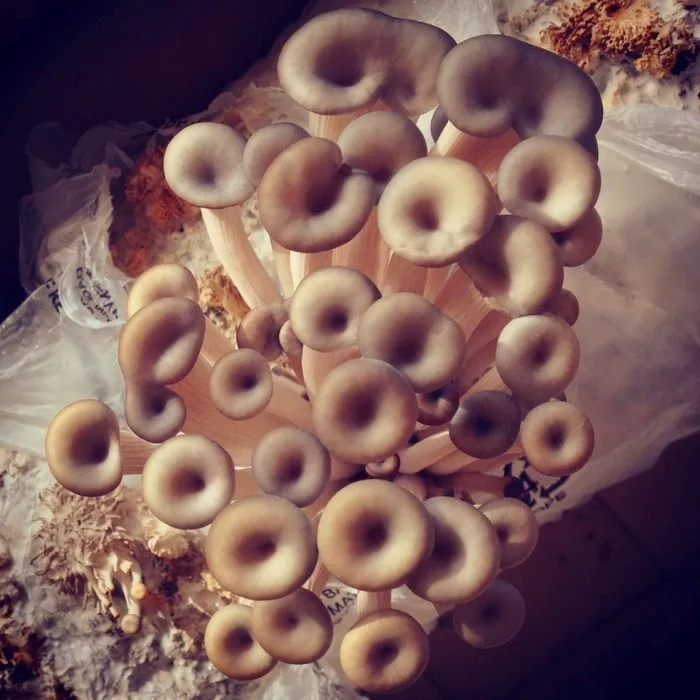 Photo: Leslie Seaton, CC BY 2.0
In this guide
Short answer: the easiest home method is a hot-water soak at about 160–170 °F (71–77 °C) for about 1 hour, with the straw in a mesh bag. Then drain it until a squeezed handful releases only a few drops of water, and let it cool before adding spawn. If heating water isn’t practical, a hydrated lime bath for a few hours or cold fermentation for 1–2 weeks also work.
Pasteurize or sterilize?
| Pasteurization | Sterilization | |
|---|---|---|
| Temperature | About 140–180 °F (60–82 °C) | Above boiling, usually in a pressure cooker |
| What it does | Kills most competitors, keeps some harmless microbes | Kills nearly everything |
| Used for | Straw, coir, less nutritious substrates | Grain, supplemented sawdust |
| Equipment | Pot, bucket, thermometer | Pressure cooker |
Straw is fairly low in nutrients, so pasteurizing is enough. Nutrient-rich substrates like sawdust with bran need full sterilization, because molds love them.
Method 1: Hot water (most common)
- Chop the straw into pieces about 2–4 in (5–10 cm) long. It packs better and colonizes faster.
- Fill a mesh bag or pillowcase with the straw.
- Heat water in a large pot to about 160–170 °F (71–77 °C).
- Submerge the bag and hold the temperature for about 1 hour. Check with a thermometer and adjust the heat.
- Drain and cool the straw on a clean surface or hang the bag. It should be damp, not dripping.
Method 2: Hydrated lime bath (no heat)
Lime raises the pH so high that most competing organisms can’t survive, while oyster mycelium tolerates it once the straw is drained.
- Use hydrated lime (calcium hydroxide), not garden lime with magnesium.
- The NAMA method uses about 4 cups of hydrated lime in a 45-gallon drum of water, enough for roughly 20 kg of straw.
- Soak for about 2–4 hours (some growers soak longer), then drain.
Wear gloves and eye protection. Hydrated lime is caustic.
Method 3: Cold fermentation
Submerge the straw in plain water for about 7–10 days (about 2 weeks for whole bales). Anaerobic fermentation kills off many competitors. It smells strongly, so it’s an outdoor method. Drain and rinse before use.
Method 4: Hydrogen peroxide
Soaking straw in a dilute peroxide solution (NAMA describes about 1 liter of 3% peroxide per gallon of water for 24 hours) is another option, followed by two rinses with clean water.
How wet should the straw be?
Aim for field capacity: the straw holds as much water as it can without free water dripping out.
- Squeeze test: grab a handful and squeeze hard. A few drops is perfect. A stream of water means too wet; nothing at all means too dry.
- Too wet straw goes sour and invites bacteria. Too dry straw colonizes slowly.
Working with dry pellets or sawdust instead? Use our Substrate Calculator to work out how much water to add.
Frequently asked questions
How long do you pasteurize straw for mushrooms?
About 1 hour at 160–170 °F (71–77 °C) for the hot-water method.
Can I use any straw?
Wheat and oat straw are common choices. Avoid hay, which contains seeds and more nutrients, and straw treated with chemicals.
When can I add spawn after pasteurizing?
Once the straw has cooled to room temperature, below about 80 °F (27 °C). Hot straw can kill the spawn.
What happens if I skip pasteurization?
Untreated straw is often taken over by molds and bacteria before the mushroom mycelium can colonize it. See green mold in mushroom grows.